Oxidation of alcohol via the MEOS produces less ATP than oxidation via alcohol dehydrogenase, using the energy from alcohol intake primarily to enhance heat production 37, 54. The extent to which wasted energy from regular alcohol consumption contributes to weight gain prevention is unclear. Aside from the immediate influence on appetite that comes from alcohol consumption, there are also effects on energy storage. Alcohol inhibits fat oxidation, suggesting that frequent alcohol consumption could lead to fat sparing, and thus higher body fat in the long term 62. However, the results of the various cross-sectional and longitudinal studies examined in this review do not unequivocally support such a hypothesis. Finally, there is also evidence to suggest that traits that predispose individuals to binge drinking may also predispose to binge eating 66.
Alcohol affects digestion and nutrient uptake
- For those considering serving or consuming peppermint schnapps, understanding its alcohol content is crucial for responsible enjoyment.
- For practical safety, always store high-concentration alcohol solutions in well-ventilated areas and away from open flames.
- Even though someone who engages in heavy drinking could be gaining weight, specifically, fat mass, they can also be losing muscle mass, which will lower their BMI.
- This mechanism, combined with the liver’s diverted focus, underscores why excessive alcohol consumption can hinder weight loss efforts.
While pure alcohol contains significant calories on its own, many popular drinks include sugary mixers or creamy ingredients that boost total calorie content dramatically. Interestingly enough, not all alcohol calories are fully absorbed due to something called the thermic effect—the energy your body uses to digest and process food. About 20% of the energy from alcohol might be lost through heat production during metabolism. The type of drink and its ingredients play a huge role in how many calories you consume.

Women’s health
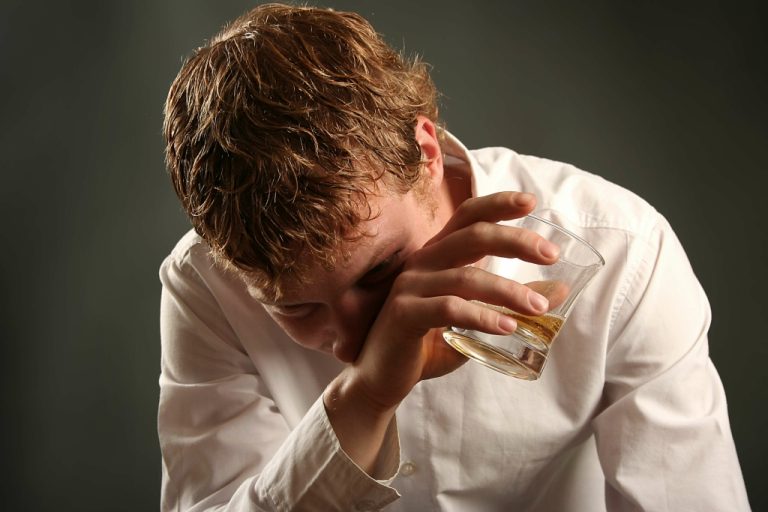
Some drinks simply fit better into a balanced lifestyle than others, mostly because they contain less sugar, lighter mixers, or smaller serving sizes. While alcoholic drinks can add calories with more or less nutritional value, they also tend to affect how you eat, as making mindful decisions becomes harder does alcohol make you gain weight with enough alcohol involved. Alcohol fits this category well, as each gram of pure alcohol contains about 7 calories, which is almost as much as fat (9 calories per gram) but without any nutritional value. Alcohol can also affect your digestion, nutrient intake, and fat-burning capabilities. Along with that, it can also disrupt sleep and testosterone production, increasing weight gain. Drinking alcohol can significantly increase your weight depending on how many calories an alcoholic beverage has.
How Alcohol Affects Fat Metabolism
Leptin, the “fullness hormone,” signals your brain when you’ve had enough to eat. Ghrelin, the “hunger hormone,” does the opposite, prompting you to seek food. Studies show that even moderate alcohol consumption (1-2 drinks per day) can significantly decrease leptin levels, blunting your body’s ability to recognize satiety. Simultaneously, ghrelin levels rise, intensifying cravings, particularly for high-fat, high-sugar foods. This https://ecosoberhouse.com/ hormonal imbalance creates a perfect storm for overeating, even after consuming calorie-laden alcoholic beverages.
Metabolic and Appetite Changes
- This decision was driven by the potential for substantial revenue increases, as seen in other conferences like the Big Ten and ACC.
- Additionally, prioritizing foods rich in the nutrients alcohol depletes—such as leafy greens for folate or whole grains for B vitamins—can help counteract deficiencies.
- Several experimental studies have been conducted to examine the short-term effect of alcohol intake on feeding behavior and appetite control 3•, 5.
- This disparity impacts transportation costs, vehicle load limits, and storage considerations, making it a practical concern for businesses handling liquid goods.
For homemade vinegar, aim for an acetic acid concentration of 4–7%, which is ideal for culinary use. Test the acidity with pH strips or a digital meter to confirm the process is complete. Once fermentation finishes, filter out the bacterial culture (mother) and store the vinegar in a cool, dark place to preserve its quality.

Critics raised concerns about potential increases in fan misconduct, underage drinking, and public safety issues. To mitigate these risks, SEC schools implemented stringent measures, including increased security presence, designated alcohol-free sections, and public awareness campaigns promoting responsible drinking. One of the most notable changes came in 2019 when the SEC lifted its longstanding ban on alcohol sales in public areas of stadiums and arenas. Prior to this, alcohol was only permitted in premium seating areas, such as suites and clubs.
- When comparing liquids, molecular mass isn’t the sole factor—temperature and impurities play roles too.
- A 5-ounce glass of red wine can contain approximately 125 calories, and white wine around 120 calories.
- This shift temporarily halts fat oxidation, potentially increasing fat storage and contributing to weight gain.
Wine: Calories Vary by Type and Serving Size
Yes, the calorie content varies depending on the type and amount of alcohol, sugar, and mixers. For example, beer and sweet cocktails tend to be higher in calories than spirits consumed straight or with low-calorie Substance abuse mixers. Alcohol intake of all levels can lead to impaired digestion and absorption of these nutrients.
Setting a predetermined limit on drinks before an outing helps maintain control over consumption and calorie intake. This helps slow down alcohol consumption and promotes hydration, which can curb appetite and prevent overeating. It also allows for more conscious pacing of drinks, giving time to assess how alcohol is affecting one’s body.
Therefore, in terms of weight, water is heavier than alcohol when comparing equal volumes. The calorie content varies widely across different types of alcoholic beverages. A standard 12-ounce regular beer contains around 153 calories, while a light beer of the same size has about 103 calories. A 5-ounce glass of red wine can contain approximately 125 calories, and white wine around 120 calories. Distilled spirits like vodka, gin, rum, or whiskey, at 80 proof, typically contain about 97 calories per 1.5-ounce shot. One gram of alcohol contains 7.1 calories, and commonly consumed drinks can range from about 100 to 200-plus calories.
That said, excessive consumption can indirectly harm your lipid profile by contributing to weight gain, liver stress, and increased triglycerides—all factors linked with poor heart health outcomes. Choosing lighter beers or non-alcoholic options reduces calorie load without changing this fundamental fact about zero-cholesterol content. While beer itself has no cholesterol, alcohol consumption can influence how your body manages fats. Moderate drinking may increase HDL, the “good” cholesterol, but excessive intake can lead to weight gain and negatively impact cholesterol balance. Comparatively, while alcohol shares the macronutrient classification with carbohydrates, proteins, and fats, its lack of nutritional value sets it apart. Unlike carbohydrates, which provide energy, or proteins, which support tissue repair, alcohol serves no physiological function beyond its caloric contribution.
Deixe um comentário